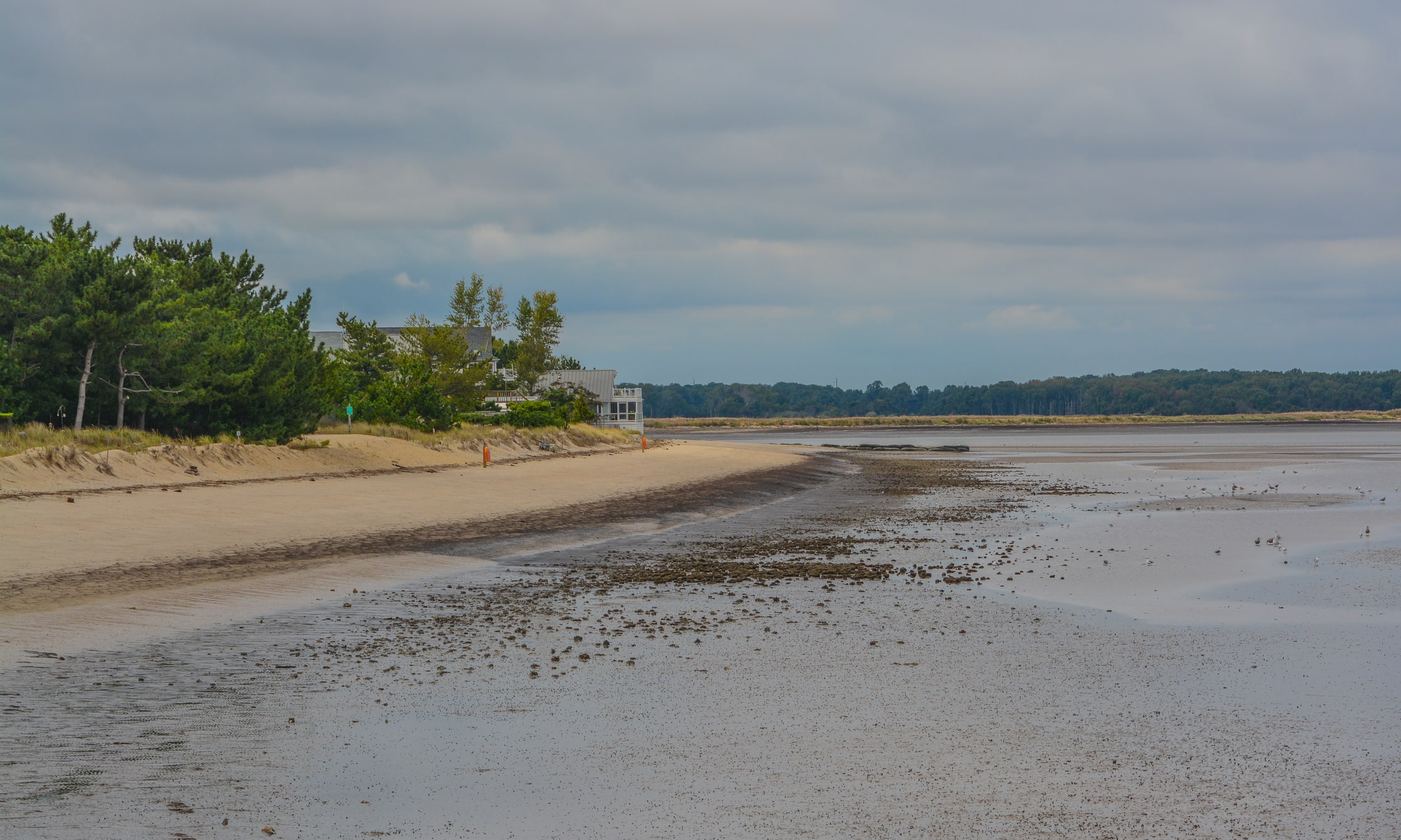
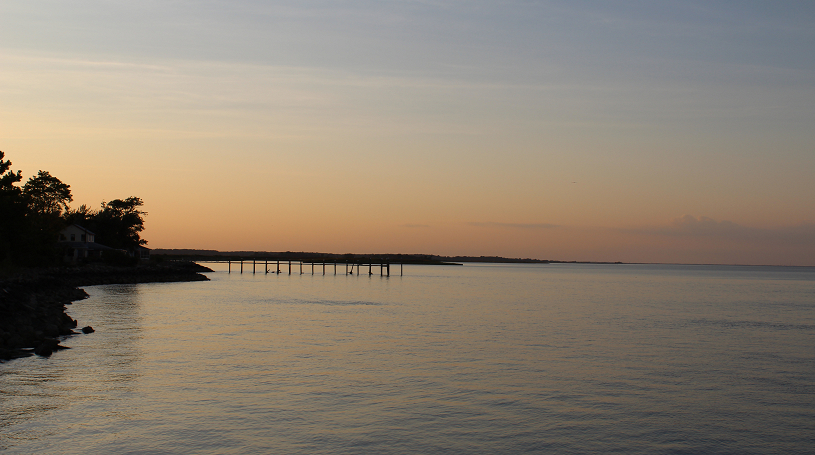
Each year, shorebirds arrive on Delaware’s shores having burned through most of their body weight after flying for days without rest. When they touch down in Delaware Bay, they’re running on fumes. The birds land on the beach, which they have never seen before, yet somehow know this beach is exactly where they need to be.
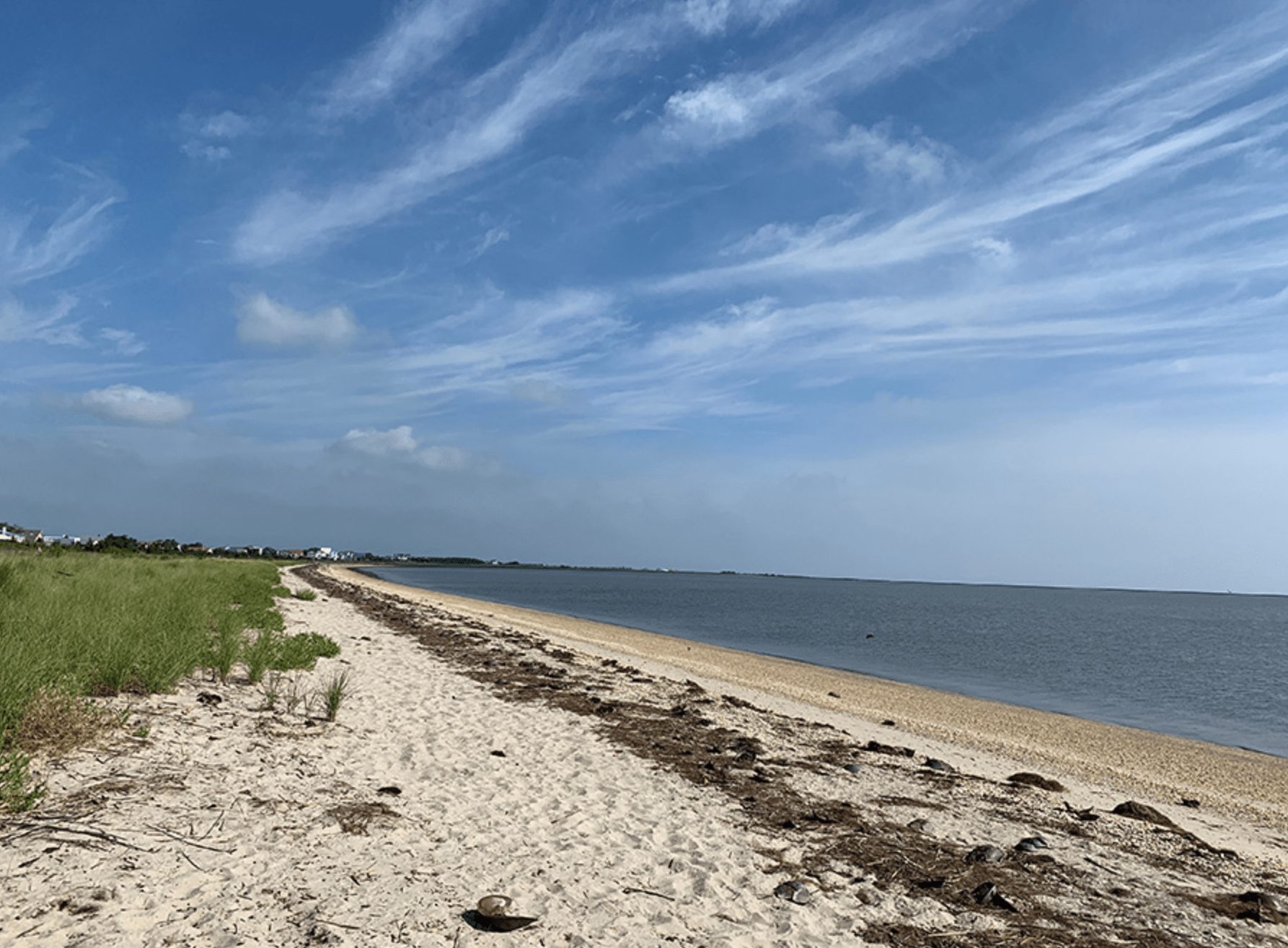
Horseshoe crabs have been crawling onto the same shores since before the first dinosaurs walked the earth. They’re completing a biological drive encoded in their DNA since the Paleozoic era. But the timing is perfect. As horseshoe crabs cluster by the thousands during new and full moon high tides, they bury thousands of eggs per cluster in the sand. When new crabs arrive and dig fresh nests, they inadvertently unearth previously buried eggs, exposing them to hungry shorebirds.
Peak activity runs from early May through the end of the month. It’s the largest horseshoe crab spawning population in the Western Hemisphere. The phenomenon creates a brief, intense period for shorebirds where food is abundant.
How the Ancient Cycle Nearly Disappeared (and How It’s Being Protected)
In the 1990s, the cycle almost broke. Unregulated horseshoe crab harvesting drove crab populations into steep decline. Commercial fisheries used crabs as bait for eel and conch traps, pulling from Delaware Bay waters each year. As crab numbers plummeted, egg abundance dropped to less than one-tenth of 1980s levels. Red knot populations crashed from around 40,000 birds in the 1990s to 20,000 or below by 2021.
In January 2015, the federal Endangered Species Act listed red knots as a threatened species. Without sufficient horseshoe crab eggs, birds couldn’t gain enough weight to complete migration and breed successfully. However, conservation efforts turned the tide. Coastwide horseshoe crab fishery management began in 1998, establishing harvest limits and protections.
The Delaware Department of Natural Resources and Environmental Control launched the Delaware Shorebird Project, which has monitored populations for over 40 years. In October 2025, the Atlantic States Marine Fisheries Commission also adopted a two-year pause on harvesting female horseshoe crabs in Delaware Bay. Citizen scientists participate in annual spawning season crab counts. Researchers conduct aerial and ground surveys, tracking shorebird populations and horseshoe crab densities.
Data collected feeds into an Adaptive Resource Management framework designed to balance sustainable horseshoe crab harvest with ecosystem health and red knot recovery. These conservation efforts are an ongoing success story — the cycle continues because people choose to protect it. In 2025, the red knot passage population at Delaware Bay was estimated at 54,043 — a 17% increase over 2024 and the second year since 2011 to exceed 50,000 birds.






 Plan Your Trip
 Plan Your Trip